
Why Going Analogue Feels Necessary
Lately, it feels like the world is gently rewinding.
You notice it in the media, in shops, in conversations with friends. Shows and films leaning hard into nostalgia. Parents are buying landline phones. Vinyl records stacked next to Bluetooth speakers. Physical books back on bedside tables. People knitting on trains. Writing letters. Baking bread. Magazines rather than online articles. Hosting dinner parties. It feels like it’s been a long time coming, and we’re all for it.
It’s no secret our devices are slot machines in our pockets. Our phone screens often feel like an extension of our hands, delivering constant dopamine hits, often paired with a relentless stream of negative news, overwhelming our nervous systems. According to Ofcom, the average UK adult checks their phone roughly every 12 minutes. Add to that an average of five hours a day on screens outside of work, and it’s no wonder so many of us feel overstimulated and, ironically, disconnected.
At the same time, nostalgia is having a moment. Not as a trend, but as a response. Simpler rhythms. Quieter days. A sense of control over what we consume and when. Nostalgia brings warmth and familiarity. And when the world feels heavy, unplugging stops being indulgent and starts being essential.
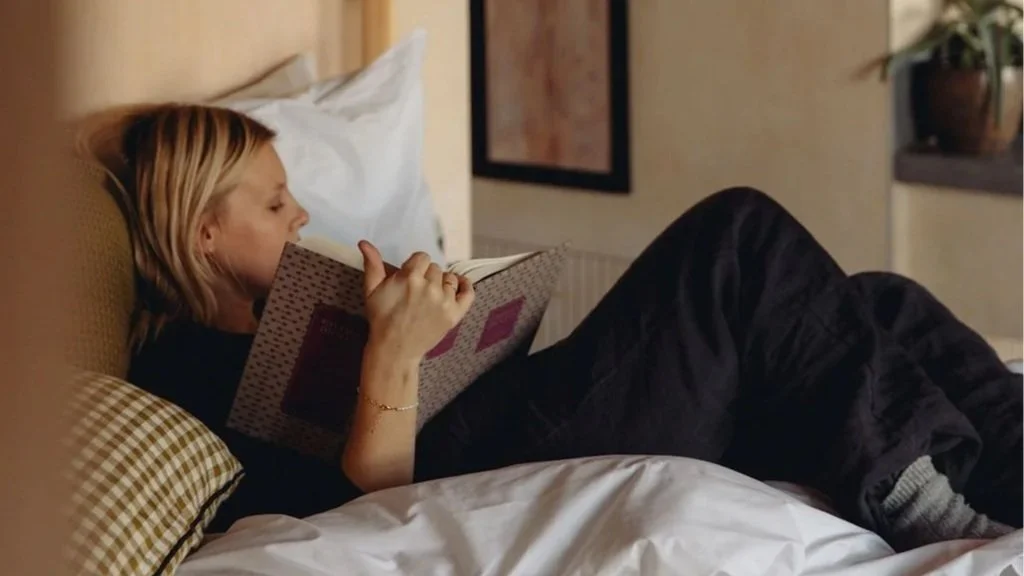
Why analogue feels good again
Going analogue isn’t about rejecting technology entirely. It’s about changing our relationship with it.
Screens are designed to keep us scrolling. Social media often traps us in the planning stage of life rather than the living of it. We save ideas instead of doing them. We document moments rather than fully inhabit them. Over time, that takes a toll on our mood and focus.
Offline activities do something very different. They slow the brain down. They bring us back into our bodies. They create space for boredom, which is where creativity tends to live. Conversation flows more easily. Time stretches.
It’s why so-called analogue bags have gained popularity. Bags filled with crosswords, novels, notebooks, knitting, embroidery, a deck of cards. A toolbox for being present. Old school boredom busters you can reach for instead of your phone.
This isn’t a quick digital detox. It’s a longer-term shift towards more intentional habits.
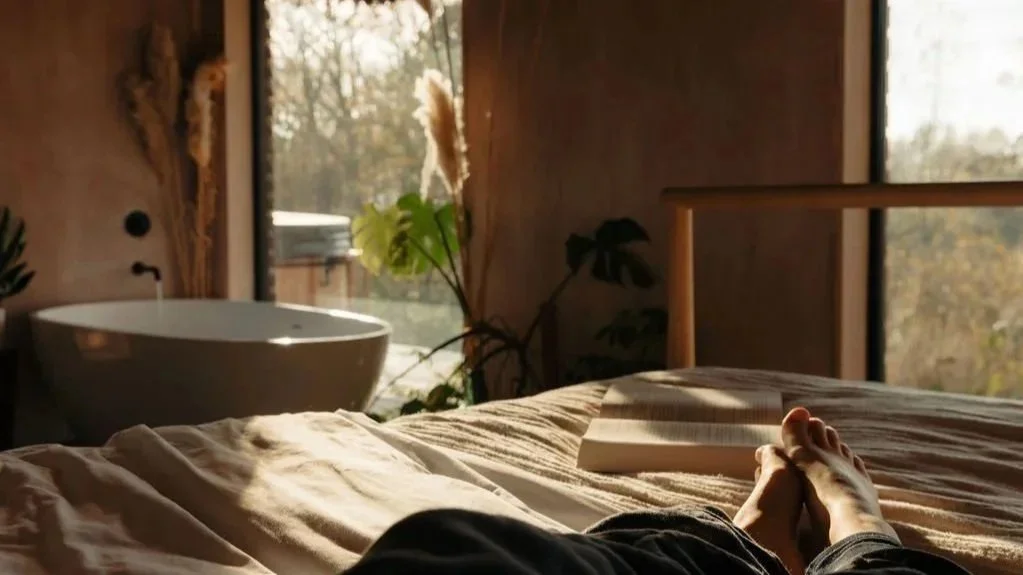
So how can we make getting offline easier
The biggest myth about unplugging is that it requires willpower alone. In reality, environment does most of the work for you.
Rather than trying to eliminate screen time altogether, it helps to keep the cue and the reward, but change the routine. Waiting for a friend no longer means scrolling; it means opening a book. An evening on the sofa becomes a puzzle, not a doom scroll. Travelling comes with a notebook rather than notifications.
A few ways to start:
Turn off non-essential notifications.
Put your phone in another room during your most scroll-prone hours.
Hide or delete the apps you reach for without thinking.
Replace digital habits with simple offline alternatives.
Tell someone you trust what you’re trying to do.
Expect some discomfort early on. It fades.
None of it needs to be perfect; the purpose is to remind you that you have control over how you spend your time and what has your attention.
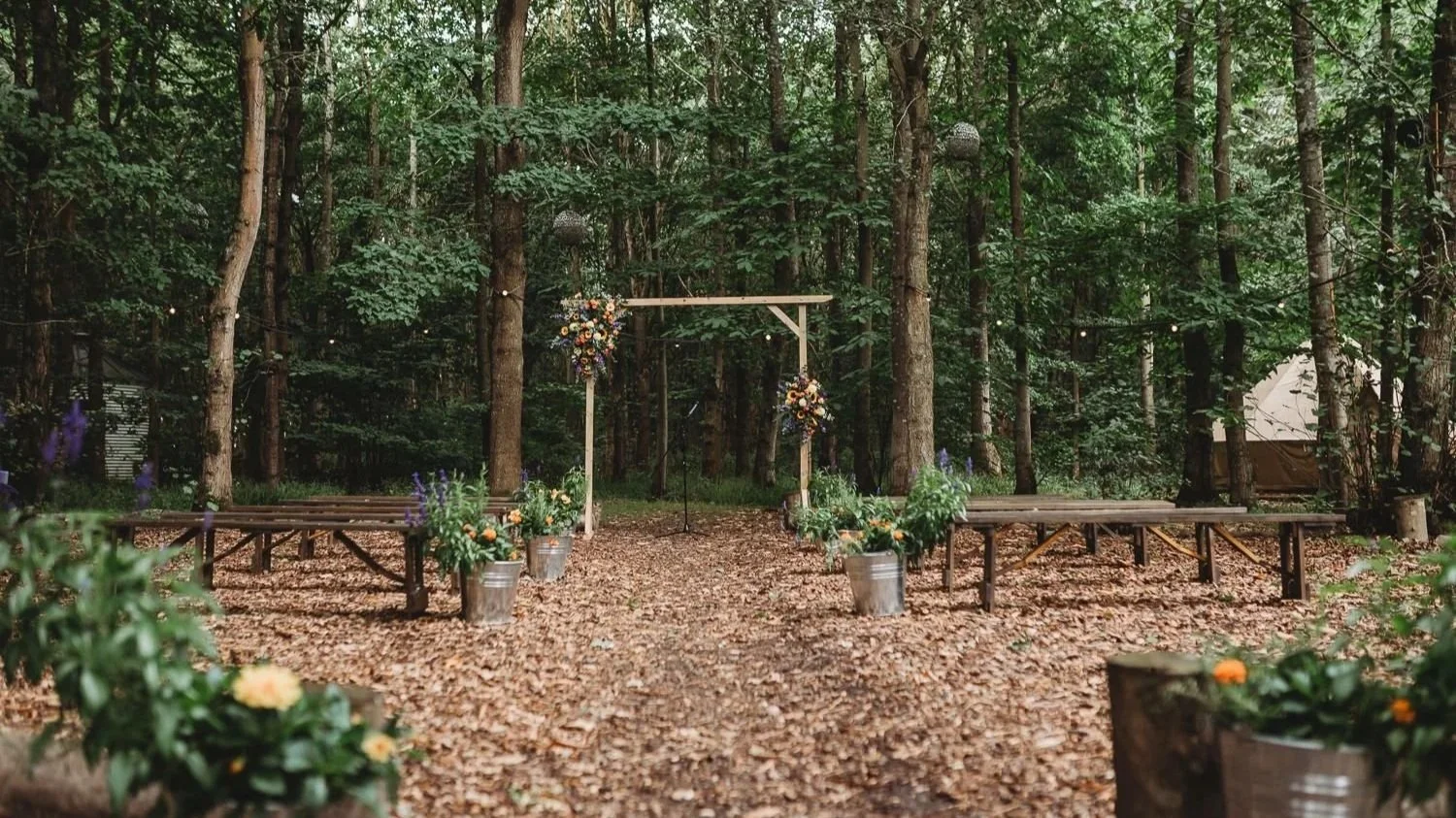
Where place really matters
Certain spaces make going analogue feel natural and that’s what we try to offer in many ways.
Our cabins, for example, do a lot of the work for you. There’s something about arriving somewhere quiet, surrounded by nature, where there’s no pressure to be productive or reachable. Our cabins are designed as places to reset. No noise. No rush. Just time to read, cook, walk, talk and sleep properly. It’s often the first time people realise how quickly their nervous system settles once the phone goes untouched.
The same applies to events. When you take people out of familiar environments and into open space, conversation shifts. Connection deepens. Whether it’s a corporate retreat, a wellness weekend, a family reunion or simply a reason to gather, our venues lend themselves to being fully present. Shared meals outdoors. Local food with a story. Fires. Space to breathe. Offline moments happen naturally, without being enforced.
Weddings are perhaps the clearest example. More couples are choosing unplugged ceremonies, and for good reason. You invest in photographers and videographers so that memories are captured properly. A sea of phones does nothing but pull people out of the moment. Browning Bros weddings naturally lean this way. Probably because there’s usually no strict itinerary, guests flow through our outdoor venues, and it feels like a festival. There’s so much to engage with that you forget your phone exists.
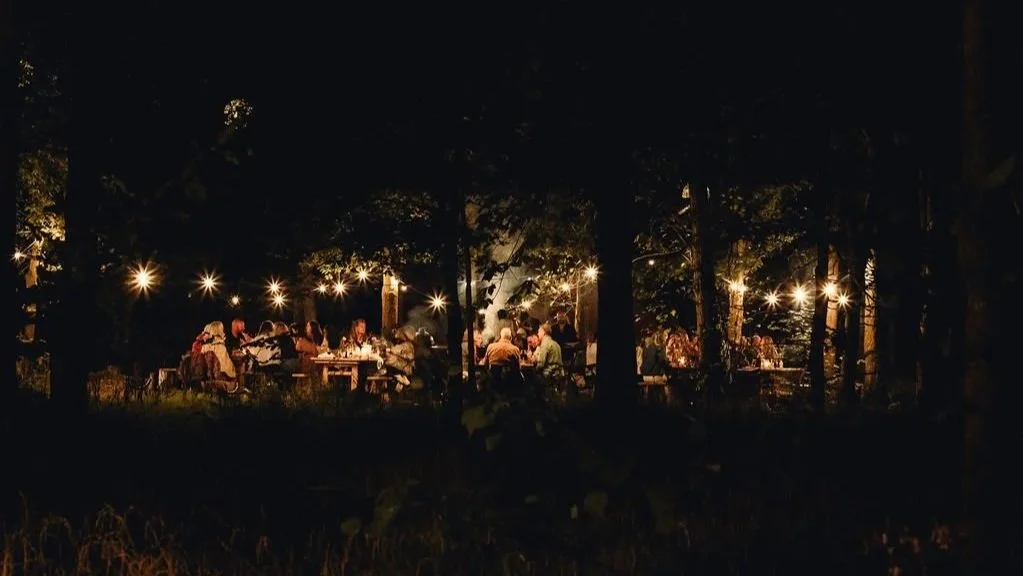
The return of real life
Alongside analogue bags, we’re seeing a resurgence of vinyl, physical magazines, film cameras and cosy hobbies. Pottery classes. Crochet circles. Book clubs. Dinner parties. All signs that people are craving tangible experiences again.
We’ll be bringing this to our cabins this year, and soon we’ll be launching monthly ‘offline challenges’ that guests can participate in. No pressure, but a helping hand to being present.
Going analogue isn’t about going backwards. It’s about choosing depth over noise. Presence over performance. Real life over the highlight reel.
And sometimes, all it takes is the right place to remember how good that feels. We’re always happy to be that place for you.
